Why Most Adults Don't Eat Enough Fiber (And How to Change That)
Meet Sage
I'm Sage. You'll find me throughout the Vivid Growth Pros Learning Center, helping explain nutrition and healthy habits in plain English.
I'm an AI-assisted educational guide, and everything I walk you through is reviewed against our approved educational standards before it's published—so think of me as your plain-English translator, not the source of truth.
That's Vivid Growth Pros. Now let's actually get into it: not just what fiber is, but why it's worth doing anything about.
Quick Answer
Why don't most adults eat enough fiber? Most U.S. adults fall short of the 25–38 grams per day recommended in the Dietary Guidelines for Americans, often consuming closer to 15 grams daily. Fiber comes in two forms—soluble and insoluble—and both play important roles in supporting healthy digestion and steady energy. The good news is that small, consistent improvements in fiber-rich eating habits tend to compound over time, making long-term healthy living much easier than trying to change everything at once.
Why Most Adults Don't Eat Enough Fiber
Quick question before we start: when's the last time a whole day went by and you only realized at dinner that you hadn't eaten a single vegetable? No judgment — that's basically a rite of passage for anyone with a real schedule.
Here's the thing most people get wrong about healthy eating: they treat it like a desire problem. It isn't. Almost everyone wants to eat better. What's actually missing is time — and one nutrient tends to slip through the cracks because of it: fiber.
By the end of this, you'll know exactly what fiber does inside your body, why the effort is genuinely worth it, and what tends to happen once one small change gets going.
What Fiber Actually Is
Let's get concrete, because "supports digestion" doesn't really tell you anything on its own.
Fiber is the part of plant foods — fruits, vegetables, beans, whole grains, nuts, seeds — that your body can't fully digest. Unlike carbs, fat, or protein, it moves through your digestive system mostly intact. That might sound like it's doing nothing. It's actually the opposite: that's exactly what makes it useful. There are two types, and they do genuinely different jobs.
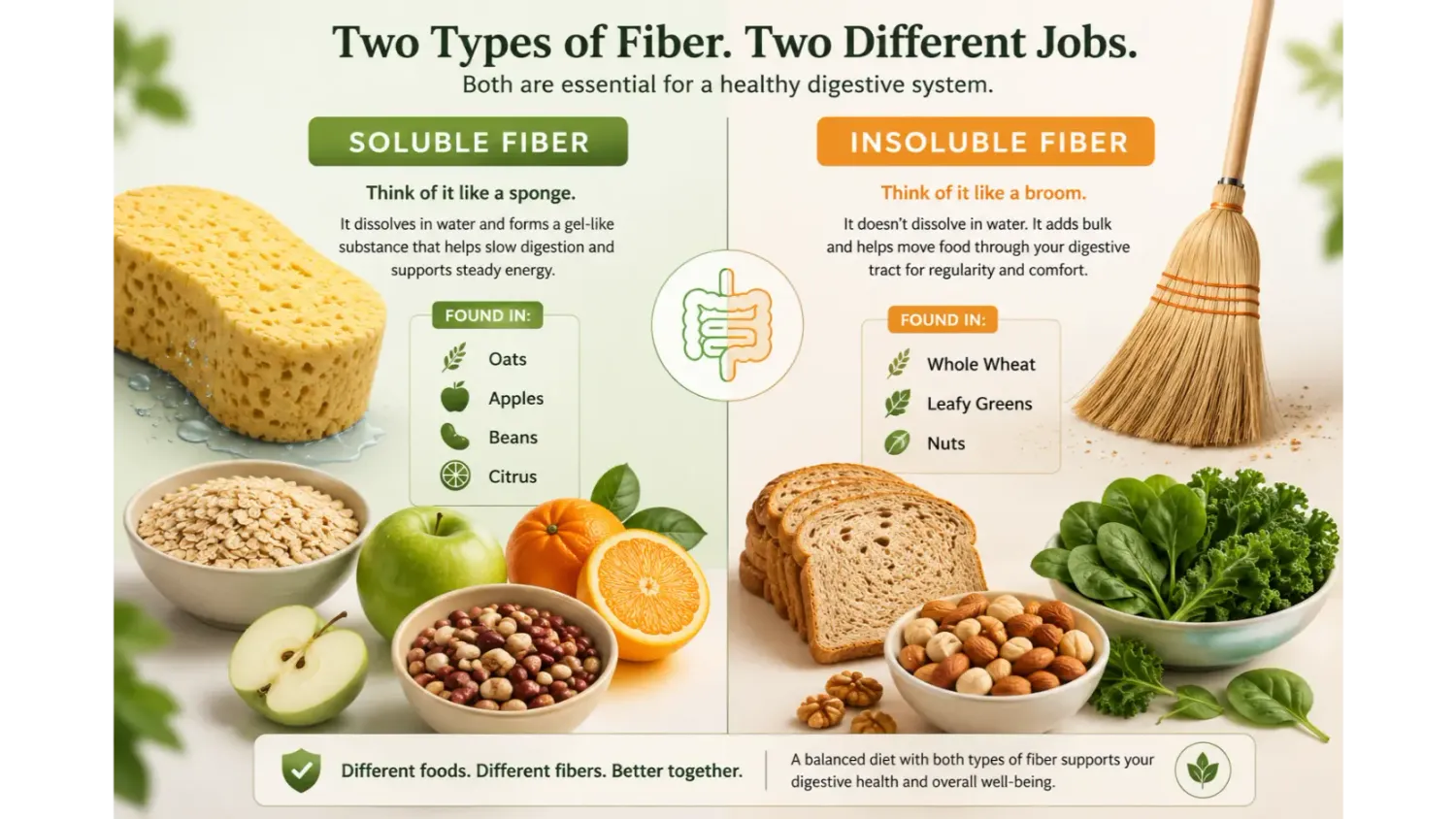
Soluble fiber — think of it like a sponge
Soluble fiber dissolves in water and turns into a gel-like substance as it moves through your gut. Like a sponge, it slows things down and helps your body absorb nutrients more gradually instead of all at once. You'll find it in oats, beans, apples, and citrus fruit.
Insoluble fiber — think of it like a broom
Insoluble fiber doesn't dissolve. It adds bulk and helps move material through your digestive tract at a steady pace — like a broom sweeping a path, not breaking down, just moving things along. You'll find it in whole wheat, leafy vegetables, and nuts.
The sponge slows and smooths. The broom sweeps and keeps things moving. Keep that picture in mind because it explains almost everything else in this article.
Why You Actually Need It
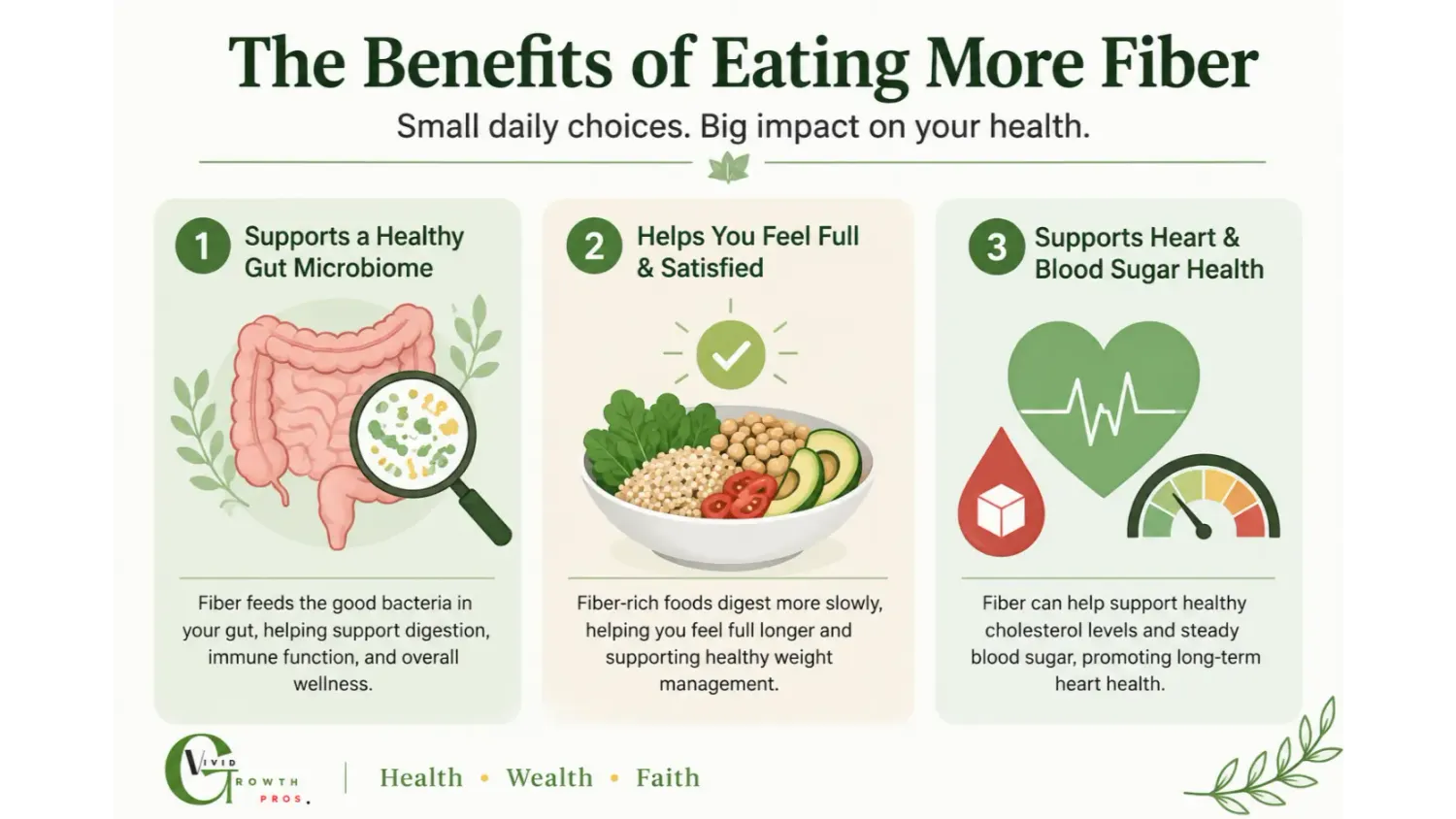
Knowing what fiber is matters less than understanding why it's worth the effort. Here are the three real reasons — not vague ones.
1. It feeds your gut bacteria
Your digestive system hosts trillions of bacteria, and many of them rely on fiber — especially soluble fiber — as their primary food source. A well-fed gut microbiome is increasingly linked by researchers to digestion, immune function, and more. Fiber isn't trendy advice. It's what your gut bacteria are, quite literally, waiting to be fed.
2. It helps you feel satisfied longer
Fiber-rich foods take longer to digest than refined, low-fiber foods. That slower process is a real part of why a bowl of oatmeal keeps you fuller than a pastry with the same calories — you're not just eating more volume, you're changing how gradually your body processes what you ate.
3. It's linked to healthier numbers at your next physical
Research consistently associates higher-fiber diets with steadier blood sugar and healthier cholesterol levels at a population level. That's not a personal guarantee — everyone's body responds differently — but it's one of the most consistent findings in nutrition research, which is exactly why fiber shows up in nearly every major dietary guideline, including the one from the USDA and HHS.
Put those three together, and "eat more fiber" stops being generic wellness advice and becomes something worth the extra effort — not because one meal changes everything, but because these effects compound.
Everyday Foods That Naturally Contain Fiber
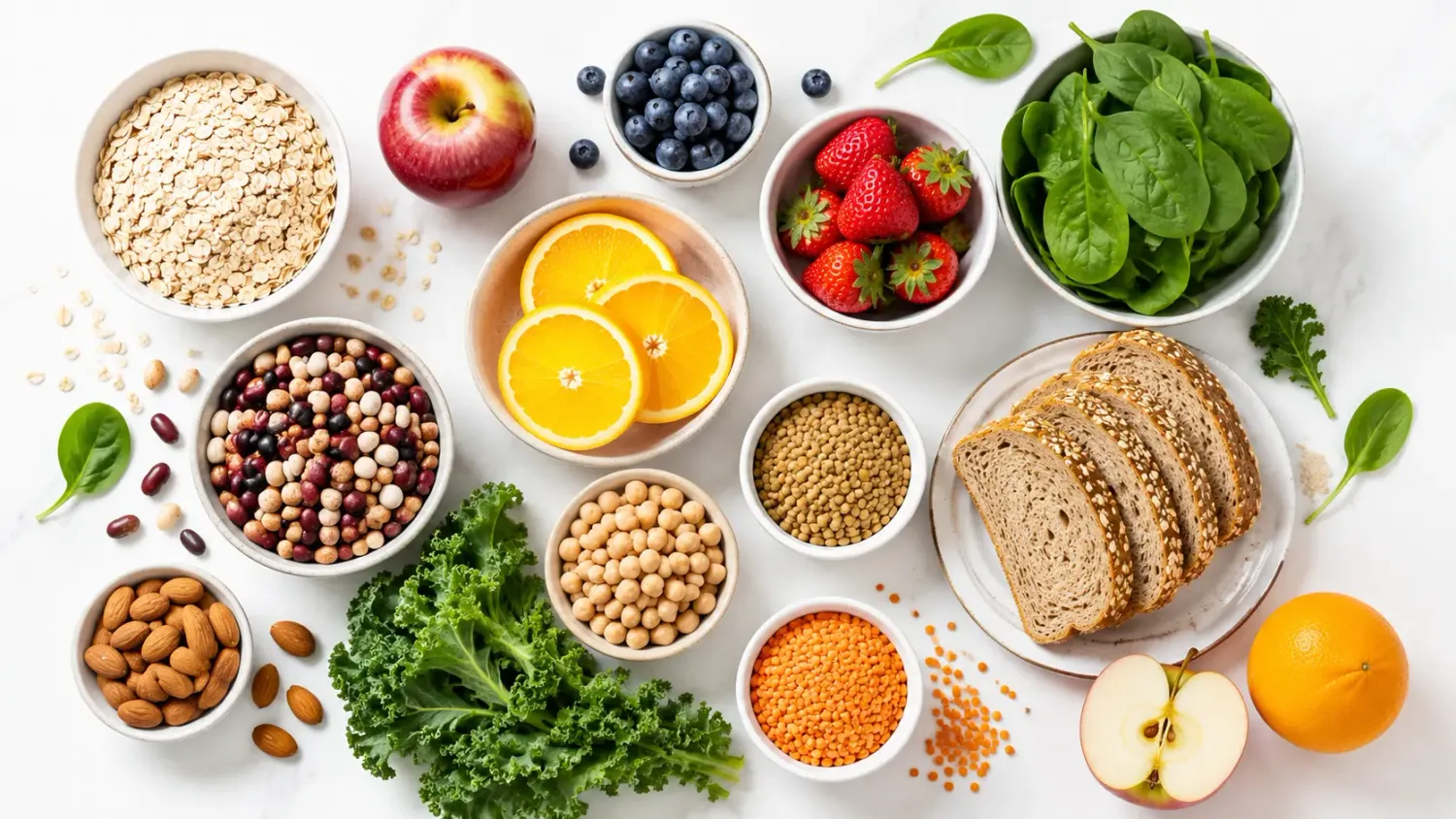
Nothing here requires a specialty grocery trip — and now that you know the soluble/insoluble distinction, you'll notice most whole foods bring both to the table:
- Mostly soluble (the sponge) — oats, beans, apples, citrus fruit
- Mostly insoluble (the broom) — whole wheat, leafy greens, nuts
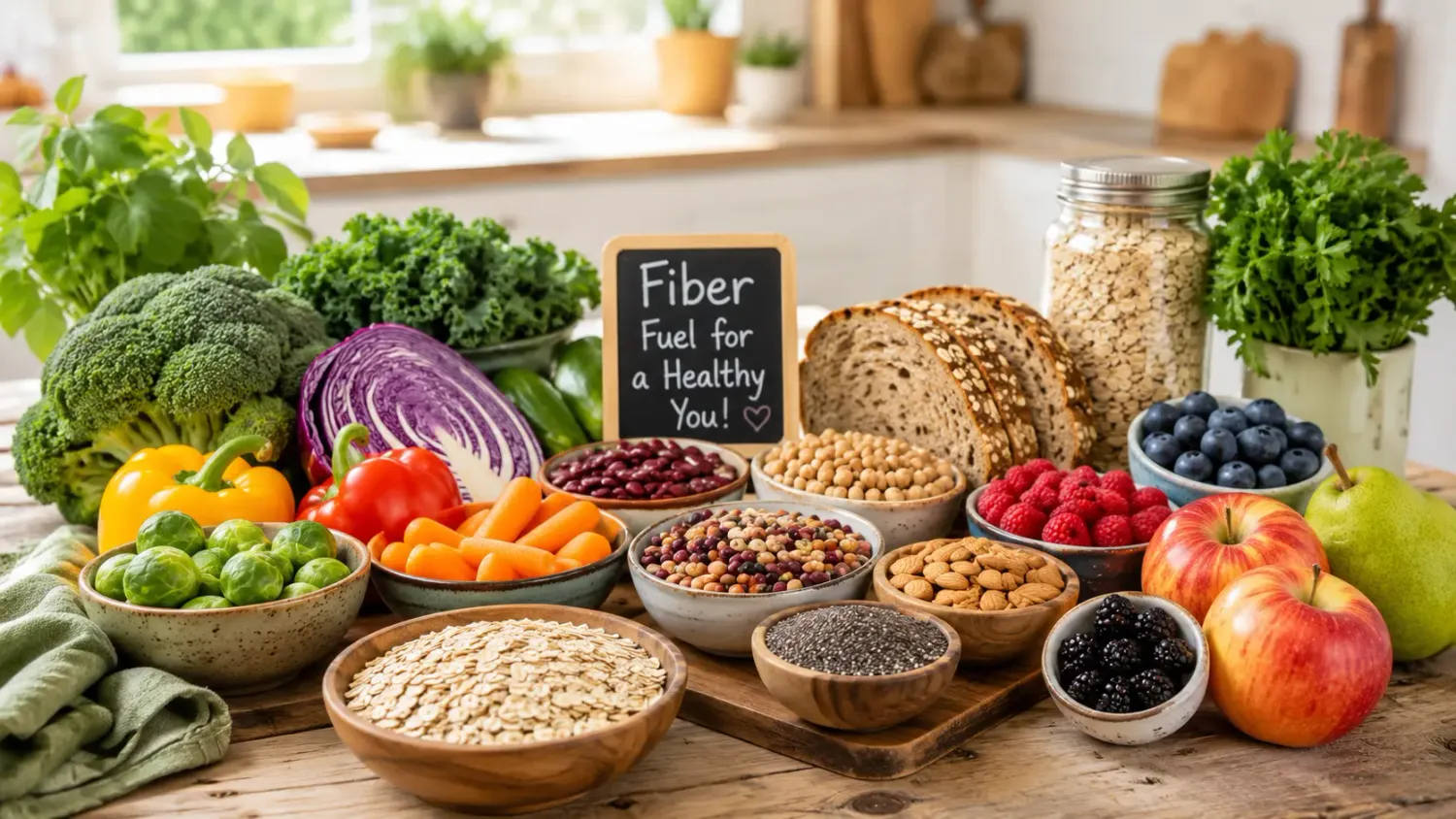
- A solid mix of both — lentils, chickpeas, berries
If a food still looks roughly like it did coming out of the ground, it's probably contributing fiber. If it's been through a factory a few times, it probably isn't.
Why Most Adults Fall Short, Specifically
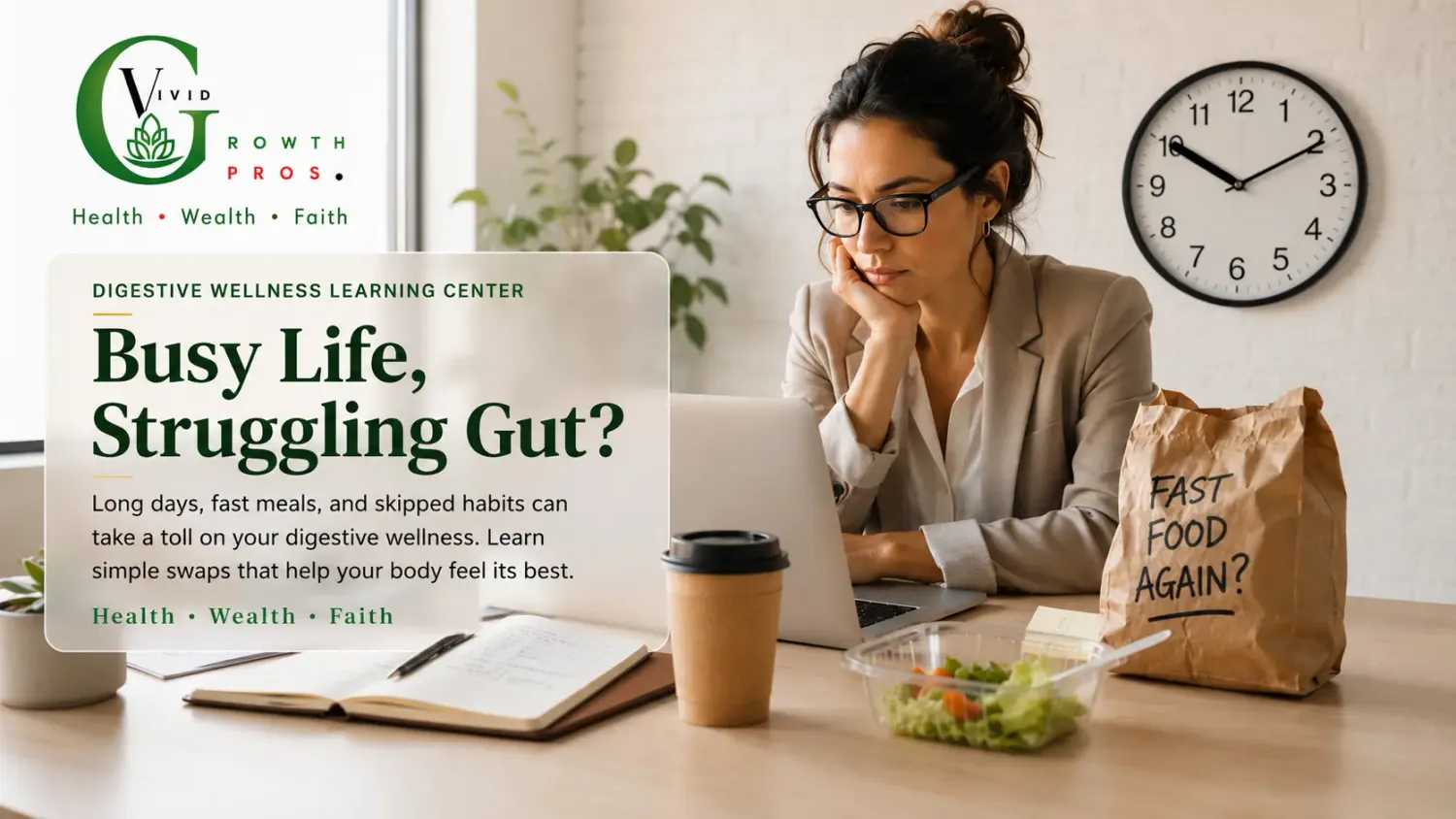
If fiber is this useful, why does almost everyone fall short? Spoiler: it's not because people don't know better.
1. Busy Schedules
Alarms, rushed mornings, whatever's fastest wins. Breakfast becomes a pastry, a coffee, or nothing at all — and none of those are fiber's strong suit.
2. Convenience Foods
Modern life runs on ready-to-eat everything. Convenience has its place, but leaning on it heavily usually means fewer fruits, vegetables, beans, and whole grains.
3. Planning Takes Effort
The people who eat well consistently aren't more disciplined than you. They just have a small system running in the background — groceries planned, fruit on the counter, lunch packed the night before.
4. Misunderstanding What "Healthy" Means
Eating healthy doesn't mean giving up everything you like. It means one more vegetable, one better bread choice, one fewer bag of chips — not a personality transplant.
5. Trying to Change Everything at Once
"Starting Monday, I'm changing everything" has a famously short shelf life. It rarely survives past Wednesday, the guilt shows up, and the whole plan gets abandoned. The fix isn't more willpower — it's a smaller ask.
None of these reasons make someone a failure — they're just how modern life is built. But it's worth naming honestly: the ripple runs in both directions. Skip fiber-rich food often enough, and small effects stack up the same way good ones do, just in reverse.
Five Simple Habits for Eating More Fiber
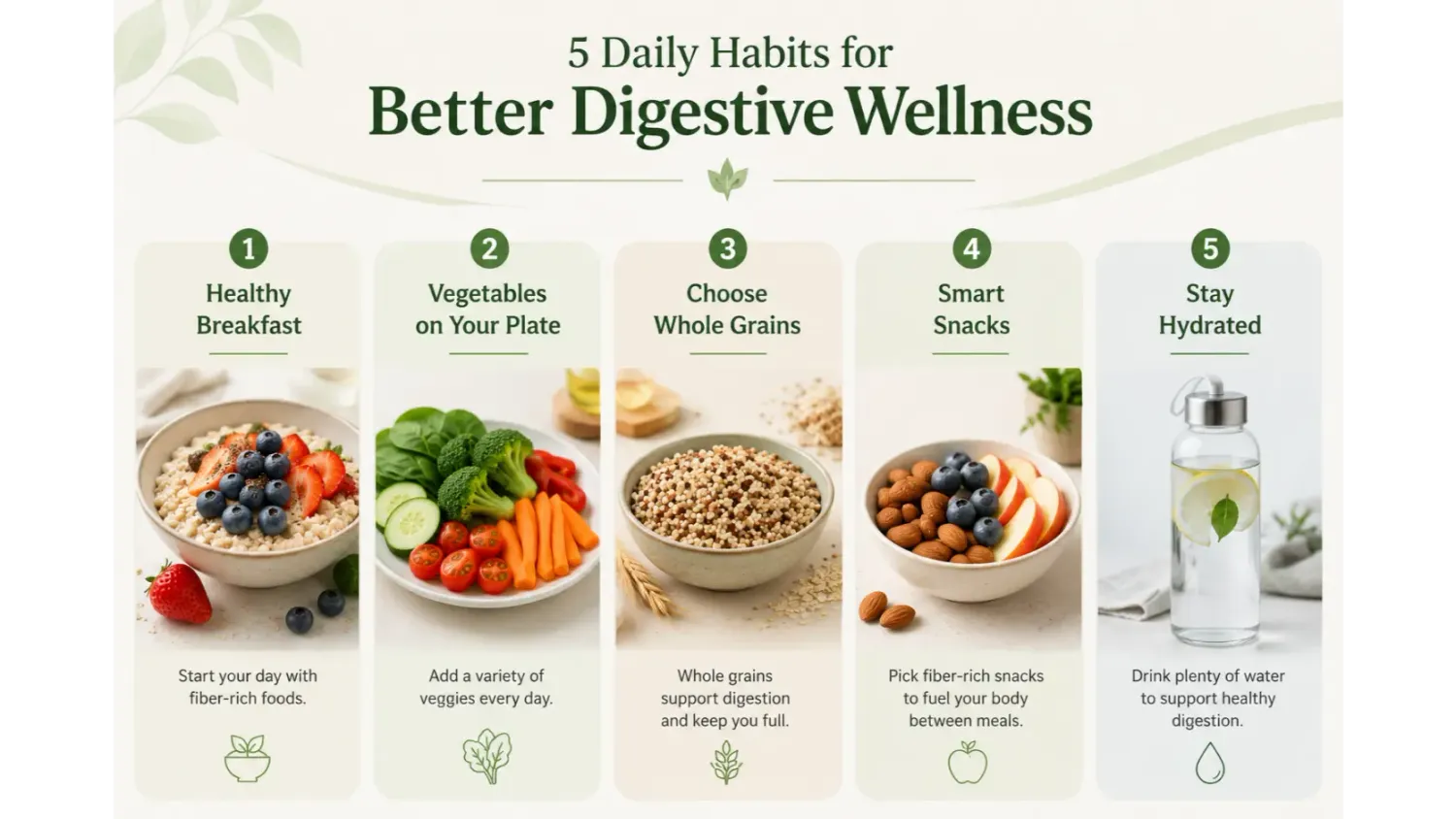
No meal plan. No spreadsheet. No becoming a different person by Monday. Just five habits that fit into the life you're already living.
- Start Your Morning with Fiber
Oatmeal with berries, whole-grain toast with nut butter, fruit with yogurt, or a fruit-and-vegetable smoothie — a fiber-forward breakfast makes the rest of the day's choices a little easier. - Fill Half Your Plate with Fruits and Vegetables
The simplest visual rule there is. No perfection required — one extra serving a day already counts as progress. - Choose Whole-Grain Foods More Often
Brown rice instead of white, whole-grain bread instead of white bread, oats instead of sugary cereal. - Keep Healthy Snacks Within Reach
Apples, pears, grapes, baby carrots, mixed nuts and roasted chickpeas make healthier choices easier. - Drink Enough Water
Water and fiber work as a team. Carry a bottle, drink a glass with each meal and pair refills with something you already do.
Stack two or three of these habits together and the ripple effect begins. Small changes tend to make the next healthy choice a little easier.
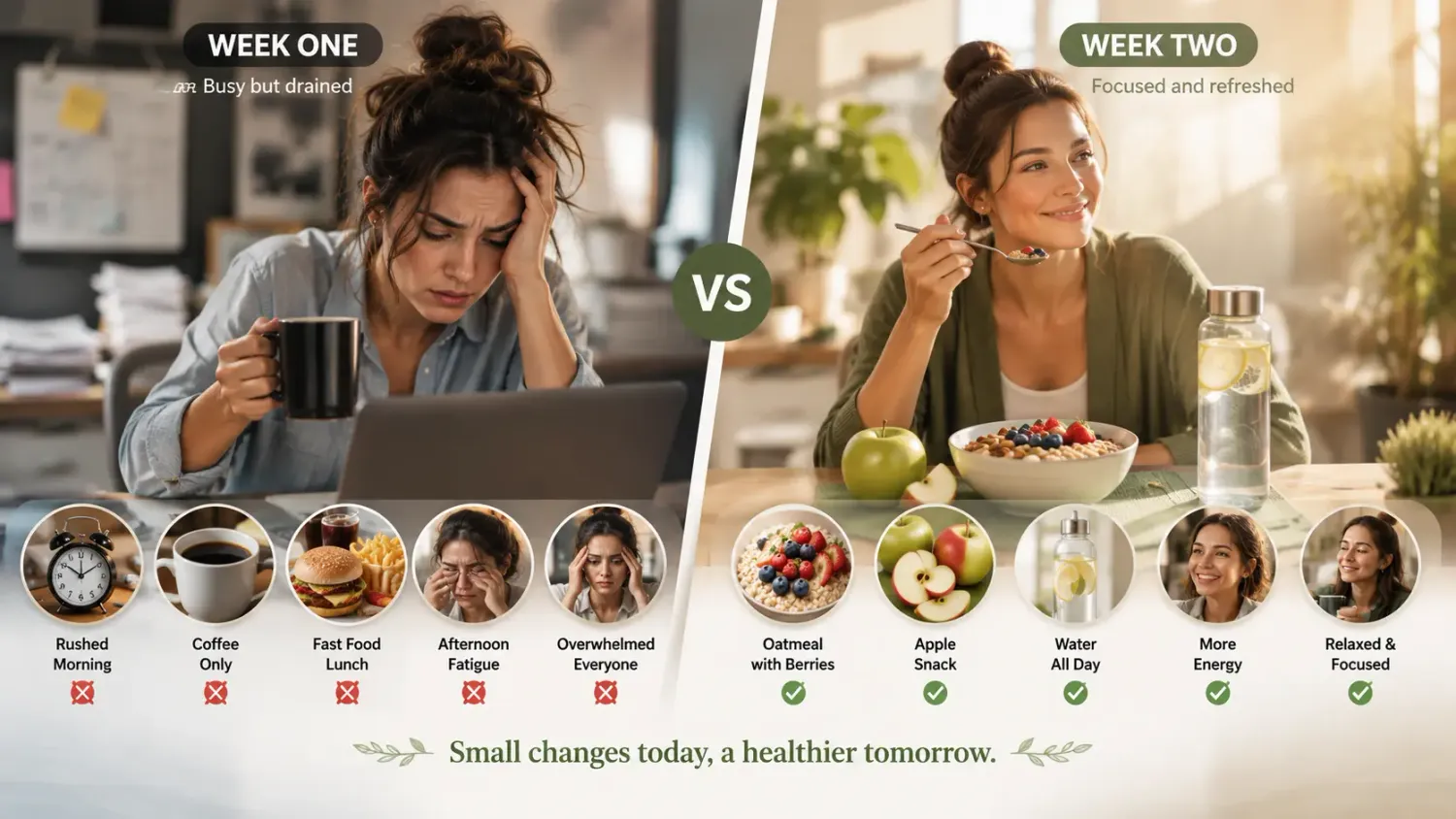
The Ripple Effect: Two Weeks in Sarah's Life
Let me introduce you to Sarah. I'll be upfront: she's not a real Vivid Growth Pros customer — she's a composite I've put together, based on patterns that show up again and again, because abstract advice is exactly the kind of thing that doesn't stick. Here's what changed when she went from ignoring fiber to building it into her days, on purpose.
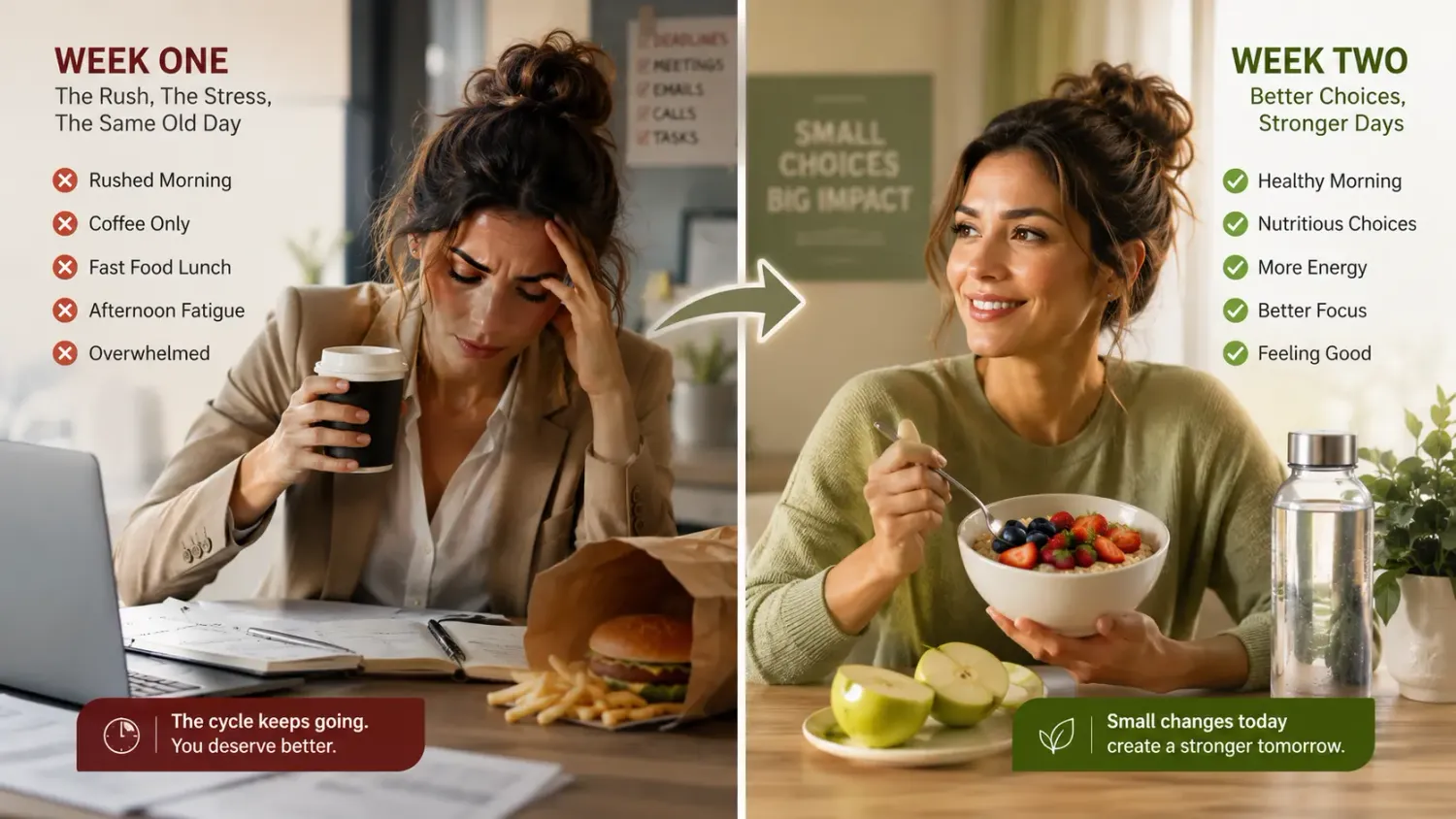
Week One
Sarah's mornings start rushed — an alarm, a scramble, coffee instead of breakfast. By mid-morning she's hungry enough that lunch becomes whatever's fastest, usually something light on fruits, vegetables, or whole grains. By early afternoon her energy dips hard, so she reaches for something sugary just to get through the rest of the day. Dinner is whatever takes the least effort after a long one. She isn't doing anything wrong, exactly — she's just living the version of the week most adults live.
By Friday, she feels sluggish more often than not, her digestion feels a little off and unpredictable, and she's hungry again within an hour of most meals, no matter how much she eats. None of it feels like a crisis. It just feels like her normal — a normal a lot of people would recognize.
Week Two
The next week, Sarah changes exactly one thing to start: oatmeal with berries instead of skipping breakfast. That's it.
But by Tuesday, she notices she's reaching for water more, without really deciding to. By Wednesday, she's added a vegetable to dinner without thinking much about it — the earlier habit just made the next one feel obvious. By Thursday, an apple in the afternoon has replaced the sugary reach for energy, and it's actually working.
By Friday, something's different: she isn't dragging through the afternoon the way she was the week before. She feels fuller between meals instead of hungry an hour later. Her digestion feels steadier — more like a rhythm than a guessing game.
Nothing about her week was dramatic. She didn't change everything. She changed one thing, and the rest followed.
That's the ripple effect, in real terms — not a promise about exactly what will happen for you, but a pattern that shows up often enough to be worth paying attention to: one small, specific change usually pulls the next one along behind it.

How Digestive Reset (and Other Curated Systems) Support Healthy Routines
Once habits like Sarah's start to click, some readers want a little more structure to keep them going — not because food alone isn't enough, but because life is unpredictable and a bit of backup helps.
That's what Digestive Reset, and the other curated systems in the Vivid Growth Pros library, are built for: an introductory educational pathway focused on drinking enough water, building consistent routines, and understanding how balanced nutrition — and, where it's useful, complementary nutrition products — can fit into all of this.
I'll be straightforward about the rest, because I'd rather you hear it from me directly than have to go looking for it: none of this is required, and healthy habits always come first — any product here is meant to complement real food, not replace it.
Vivid Growth Pros may earn income from products connected to these systems, and this article is part of that. I think you deserve to know that plainly.
Frequently Asked Questions
Needs vary by age and sex, but current guidelines generally point adults toward 25 to 38 grams a day from a variety of fiber-rich foods. For guidance specific to you, a healthcare professional or registered dietitian is the right resource.
Soluble fiber dissolves in water and forms a gel that slows digestion (the sponge); insoluble fiber doesn't dissolve and adds bulk that keeps things moving (the broom). Most whole foods contain some of both.
Yes, for most people — regularly eating fruits, vegetables, beans, lentils, whole grains, nuts, and seeds is generally enough to meaningfully increase fiber intake.
No — food is the foundation, and most people can get there through the habits above alone. Some people like having a curated system as extra structure once the basics are working. That's a personal choice, not a requirement.
Gradual changes are usually more comfortable than an overnight overhaul. If you're planning a significant dietary change, it's worth checking with a healthcare professional first.
The Vivid Growth Pros Learning Center covers digestive wellness, healthy habits, nutrition, and our educational wellness pathways in plain, everyday language.
Final Thoughts
You don't need Monday. You don't need a clean slate. You need one thing today — one piece of fruit, one glass of water, one different choice at dinner.
Sarah didn't change her whole week. She changed one morning, and the rest of the week changed itself.
Understanding builds confidence. Confidence builds habits. Habits build a healthier lifestyle — one decision at a time, rippling into the next.
"One healthy decision today can become tomorrow's healthy lifestyle."
Continue Your Wellness Journey
Learning one healthy habit is only the beginning. Explore more evidence-based educational articles designed to help you build lasting routines—one step at a time.
This article is for general educational purposes and isn't a substitute for medical advice. If you have questions about your individual nutrition needs, talk with a qualified healthcare professional or registered dietitian.
— Sage, from the Vivid Growth Pros Learning Center

Meet the Founder
Steve W. Dames Jr.
I founded Vivid Growth Pros with a simple belief:
"Knowledge empowers people to make decisions that can change the course of their lives."
That's why our mission is to educate first.
Through practical, easy-to-understand wellness resources, we help people build healthier habits and make informed decisions about nutrition, healthy living, and personal growth.
Today our educational focus begins with Digestive Wellness, with future learning centers planned for Health, Wealth, and Faith.
Thank you for visiting. I hope what you learn here encourages you to take one small step toward living a healthier, more intentional life.

Join Our Wellness Community
Receive free digestive wellness tips, healthy habit guides, educational articles, and practical resources delivered directly to your inbox.
Our mission is to educate and empower you to live your best life through HEALTH, WEALTH, and FAITH.
Newsletter
Get practical digestive wellness tips, healthy habit guides, and educational resources delivered straight to your inbox.